Online Reporter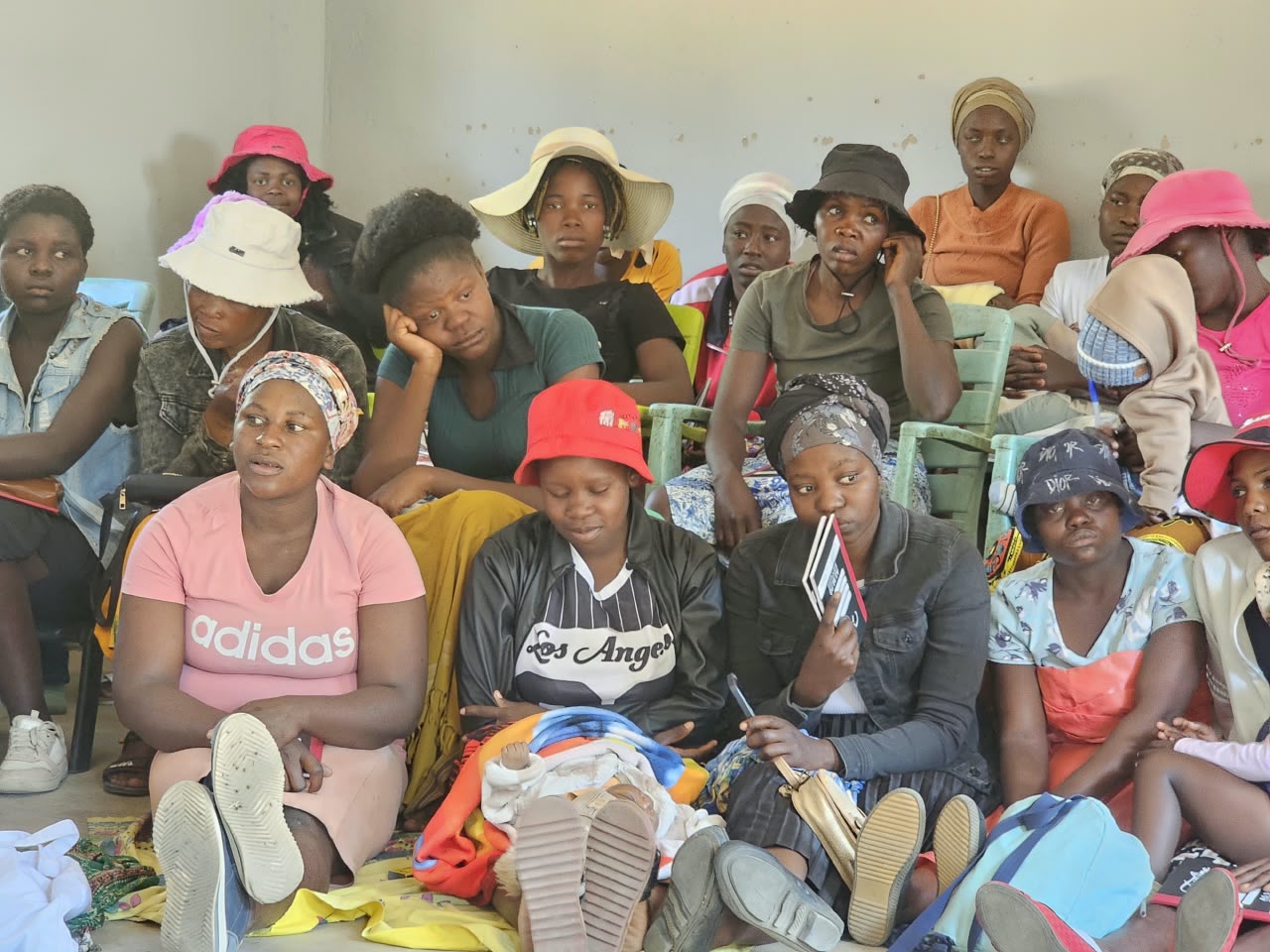
Robin Muchetu, Health and Gender Editor
FOR Ms Boitumelo Ncube (28), a US$75 grant has become a springboard for economic independence after enabling her to establish a poultry project that has since expanded into a detergent-making business in Tsholotsho.
While the amount may appear small, the grant has helped Ms Ncube generate income, grow her businesses and support her livelihood, while she has already begun repaying the funds through three US$5 instalments.
Ms Ncube is among dozens of young rural women who have benefited from the Rise&Thrive: Economic Power for Young Women’s Leadership programme, which seeks to improve the livelihoods of women aged between 18 and 35.
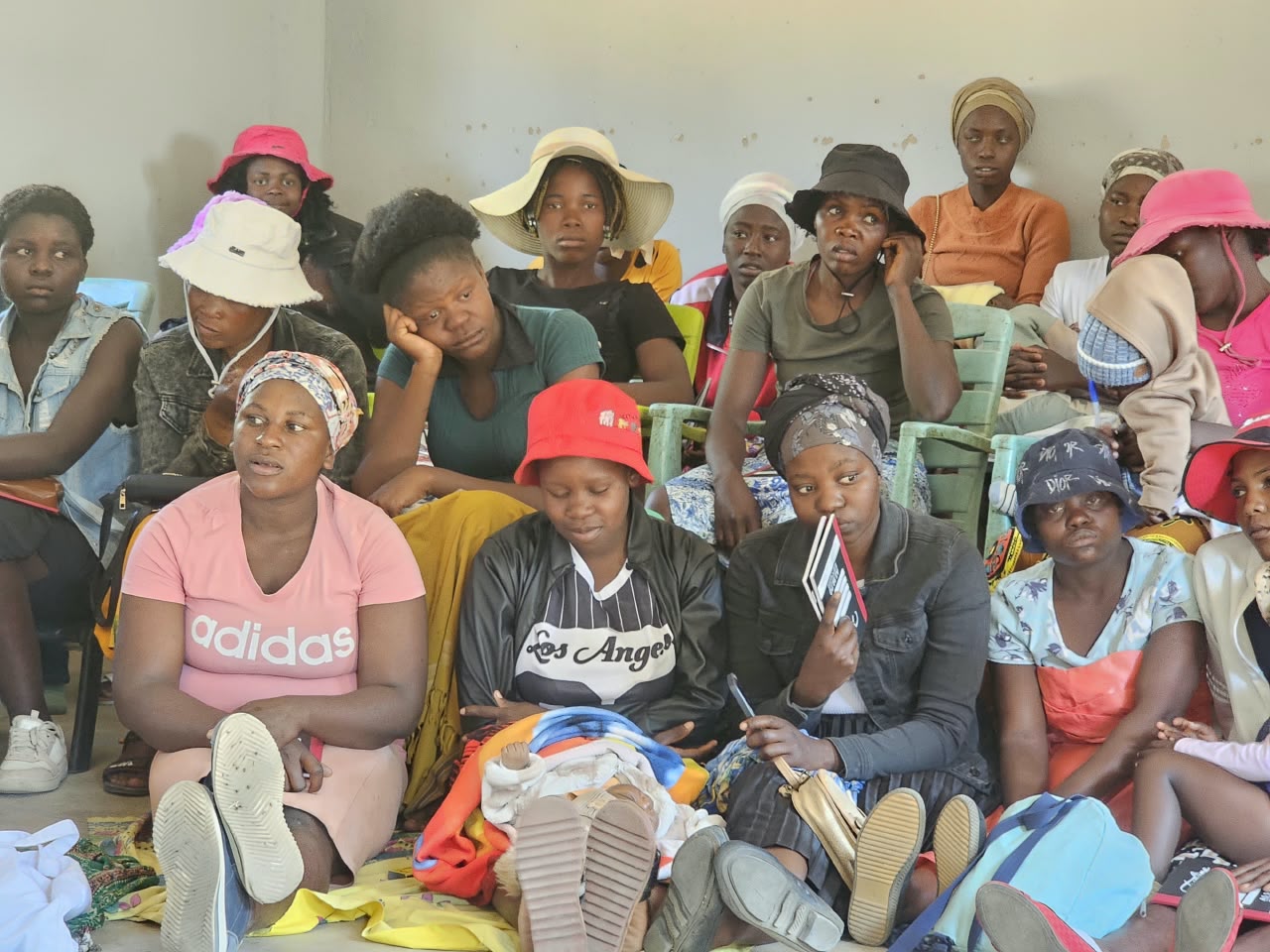
The programme, funded by the Women’s Academy for Leadership and Political Excellence (WALPE), is providing young women in Tsholotsho with financial support to start income-generating projects and build greater economic independence.
For Ms Ncube, the support has allowed her to start small and gradually diversify her business.
“I wrote a proposal in 2025 to secure funding for small business projects and I was fortunate enough to be considered. I was awarded US$75. I had indicated that I want to start a chicken project as
I had the fowl run already at home and some feed. I used that grant to purchase the chicks,” said Ms Ncube.
After her chickens had matured, she managed to sell them in her community. This was with some challenges as the rain affected the fowl run and some chickens died.
“This reduced some of my profits but I did not stop and took a second batch of chickens,” she said.
While these enterprises are generating profits, other challenges emerge within the communities..
“We give our customers goods on credit, sometimes, but the challenge is that they take the chickens and do not pay back in time and it affects the whole cycle of production. Some have even stopped their small businesses because of this failure to pay or serious delays,” she said.
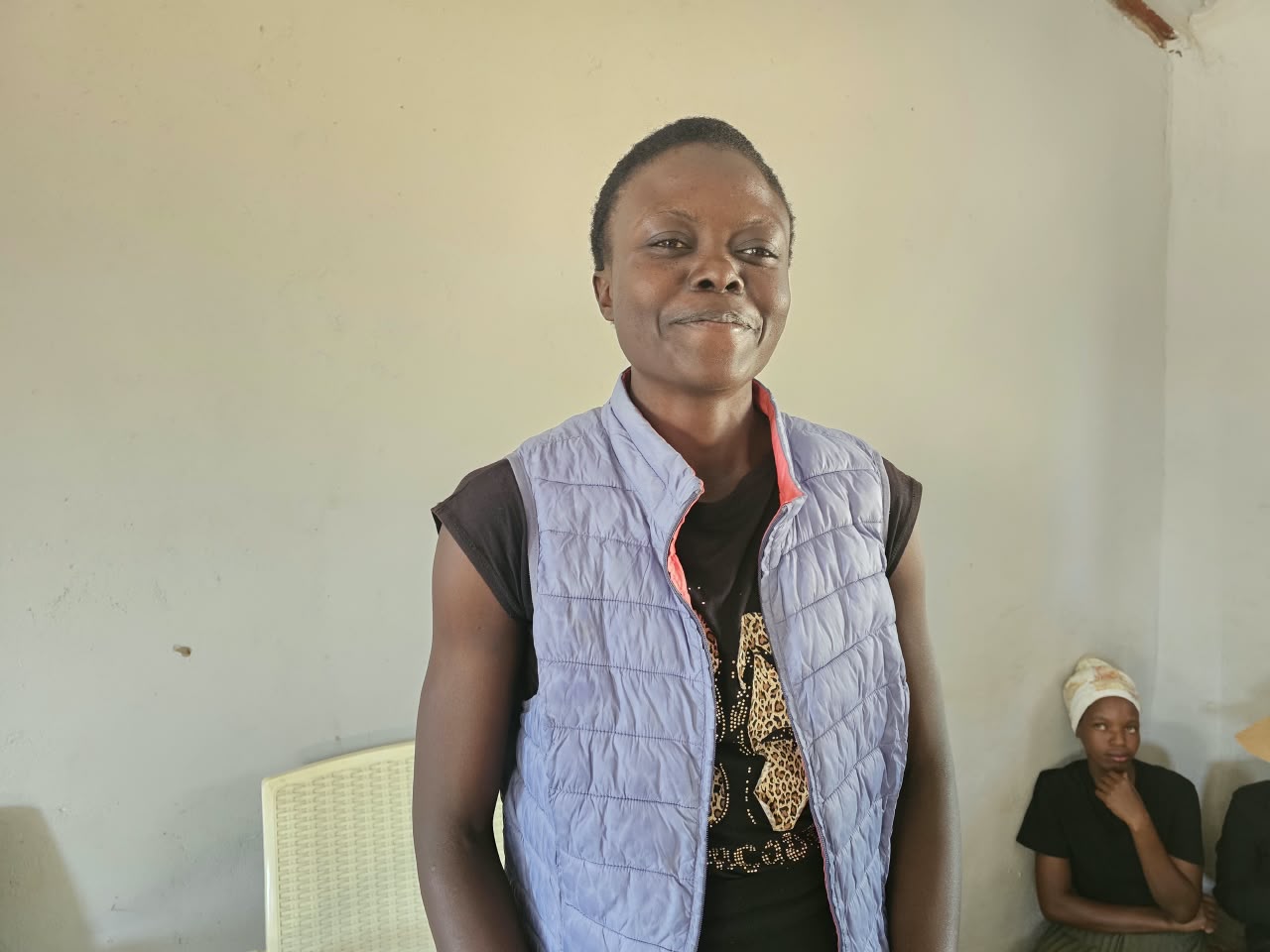
While many people in the community were doing similar poultry projects, Ms Ncube was clever enough to diversify her small business to venture into what no people were doing in their community.
“After the market was saturated with people selling chickens, I decided to start detergent making. I secured the raw materials that were needed for making dish washing liquid and started making some. I deliver weekly to my customers and the business is growing,” she said.
Once one is advanced a US$75 grant, they give back to the fund to enable other women to benefit.
“We pay back US$5 monthly for just three months. This means it is only US$15 that we pay back,” she said.
This contribution back into the fund has enabled a larger number of girls like Ms Ncube who have been skilled on how to start and run small businesses in rural communities, to benefit and also transform their lives for the better.
She has also volunteered to train other young people like her to make detergents and also sell in other markets saying things like packaging can be picked around the community which reduces costs of production as they start their businesses.
Ms Ncube also spoke about Sister Circles which she is a part of and how this has empowered her life and others.
“This is a group of 12 young women who meet regularly sharing ideas on how to start small businesses in our communities, growing them and overcoming challenges with local solutions. We are doing this so that we help each other as young women, to overcome economic challenges that affect us,” she said.
The small grants have transformed the lives of these young women who are also victims of Gender Based Violence such that they have been increased to US$105 for the current cycle.
Those from the same communities who are not beneficiaries of the programme are not left out completely as the young women have money they can loan out to those who wish to start their own business away from the programme.
“Siloqogelela wethu (savings fund) that we can give those who want to start businesses but have no money. They pay us back once they start making profits. Others who do not borrow money can do small jobs for people in the community, get paid and channel it to start their businesses,” added Ms Ncube.
Councillor Busani Vundla from Ward six in Tsholotsho encouraged the young women to make use of what they have at their disposal to start businesses.
“Starting business does not mean you start with a lot of money, you can sell five cocks, and you can get the starting capital. Some will be saying we have no capital but gave more than 20 chickens at home. You also need to make use of that which is available nearest to you to start your businesses,” he encouraged.
According to UNFPA 1 in 3 women experiences GBV by age 15, and rural women and girls are not spared.
The Girls Table Team Leader Ms Sandra Gama says their empowerment programmes target to protect women from GBV by offering economic empowerment.
“The grants that we advance to them are just to cushion them from the effects of GBV, we ask them to write basic proposals that highlight the project they want to do, why they chose it, what problem they are solving by starting that business and how they may solve some challenges in that line of business,” she said.
Ms Gama said the beneficiaries were trained on financial literacy, how to start small businesses or how to grow existing ones. They also said while education around GBV was provided, they found it difficult to move out of abusive relationships and marriages as they were not financially stable to take care of themselves and their children leaving them at the mercy of the perpetrators.
“We are capacitating them with being financially independent so that they do not stay in abusive unions due to financial instability. If they choose to stay, they stay but are not relying solely on the partner,” said Ms Gama.